
We built the support we once needed.
When our son Himal was diagnosed with autism, our family entered a world we did not yet understand.
We received thoughtful recommendations from caring professionals. Then we went home to meals, transitions, communication, bedtime, and all the moments that could not wait until the next appointment.
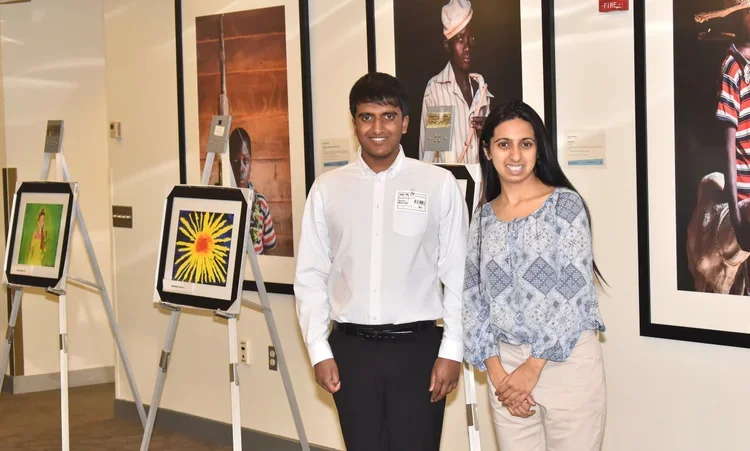
Himal changed how we understand progress.
Himal has significant autism and communication needs. When he was young, many predictions about his future focused on what he might never do.
Life with Himal taught us to look more closely. Progress wasn’t only something measured during an appointment. It could be a new way to communicate, take part in family life, build an everyday skill, or share more of who he was.
Art became one of the ways Himal expressed himself. His paintings revealed creativity and joy that were not always easy for him to communicate in words. His work later inspired Zenaviv, a social enterprise that showcases art by autistic and disabled artists.
That belief still shapes Aspire Next today. We begin with the whole child: their strengths, interests, communication, needs, challenges, and the life their family wants to help them build.
Clinical expertise. Lived understanding. A shared purpose.
Sandhya and Harish Bikmal built ASPIRE Next from both professional experience and their experience raising Himal.
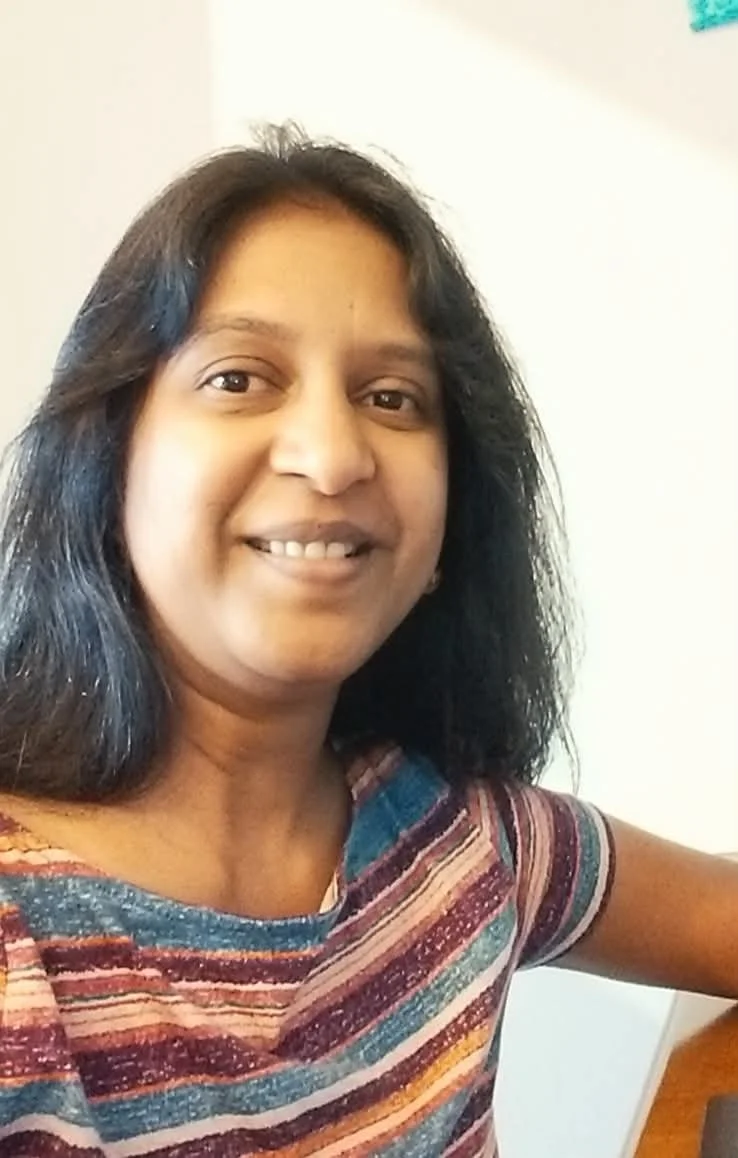
Sandhya Bikmal, M.S., BCBA, LBA
Sandhya’s path into behavior analysis began at home. Raising Himal led her to pursue the clinical knowledge she wished her family had received earlier. For more than 15 years, she has helped over 100 children and families turn clinical recommendations into practical support for everyday life.

Harish Bikmal
Harish brings experience across healthcare, behavioral health, technology, product development, and disability inclusion. His work focuses on building better systems and creating more opportunities for autistic people, disabled people, and their families.
Watch Harish’s TEDx TalkClinical expertise and family knowledge belong together.
A good plan should make sense clinically and work in everyday family life. These principles shape how we listen, plan, and support families.
See the whole child.
A diagnosis offers useful information, but it never tells the whole story. We consider your child’s strengths, interests, communication, needs, and daily life.
Listen to the people who know them best.
Families notice patterns, hard moments, and small changes that may never appear during an appointment. That knowledge helps shape the plan.
Focus on progress that matters at home.
Communication, routines, safety, independence, participation, and connection matter because they shape everyday family life.
Adjust the plan, not the blame.
When something is not helping, we look at what needs to change. The goal is to learn, adjust, and find a better way forward.
Honest guidance also means being clear about our role. If another or additional service may be needed, we will say so.
Guidance should not stop when the appointment ends.
Professional care can provide valuable expertise and direction. But families still have to decide what those recommendations look like during the next morning routine, difficult transition, meal, or bedtime.
ASPIRE Next helps families choose what to focus on, try practical strategies at home, and adjust the plan as they learn what works.
Families bring what they know about their child. We bring clinical guidance. The work is built together.
You do not need to have everything figured out before you reach out.
Tell us what is happening at home, what you have already tried, and what you hope could feel easier. We can help you understand what next step may make sense.
You do not need to choose a service before reaching out.